 Energy Strategy
12 May 20255 min read
The label "EPC contractor" appears frequently in solar procurement. It is not always accurate. Some companies use it to describe what is really a project management or principal contractor role — with design, equipment supply and installation subcontracted to third parties. A genuine turnkey EPC contractor holds all of those capabilities in-house, under unified technical and commercial accountability.
The engineering phase is where the investment case is established or destroyed. It encompasses site survey and structural assessment, shading analysis and energy modelling, inverter and module selection, string and cable sizing, grid connection design, and the production of permit-ready technical drawings.
At ETURN, the output of engineering is a contractual production guarantee — a minimum annual yield figure that we are legally obligated to deliver. This is only possible because our engineers control the entire design, not just a portion of it.
Equipment procurement in a genuine EPC contract means the contractor takes price, delivery and quality risk on all materials. At ETURN, our procurement team sources panels, inverters, mounting systems and balance-of-plant directly from manufacturers with whom we have framework agreements — not via intermediary distributors.
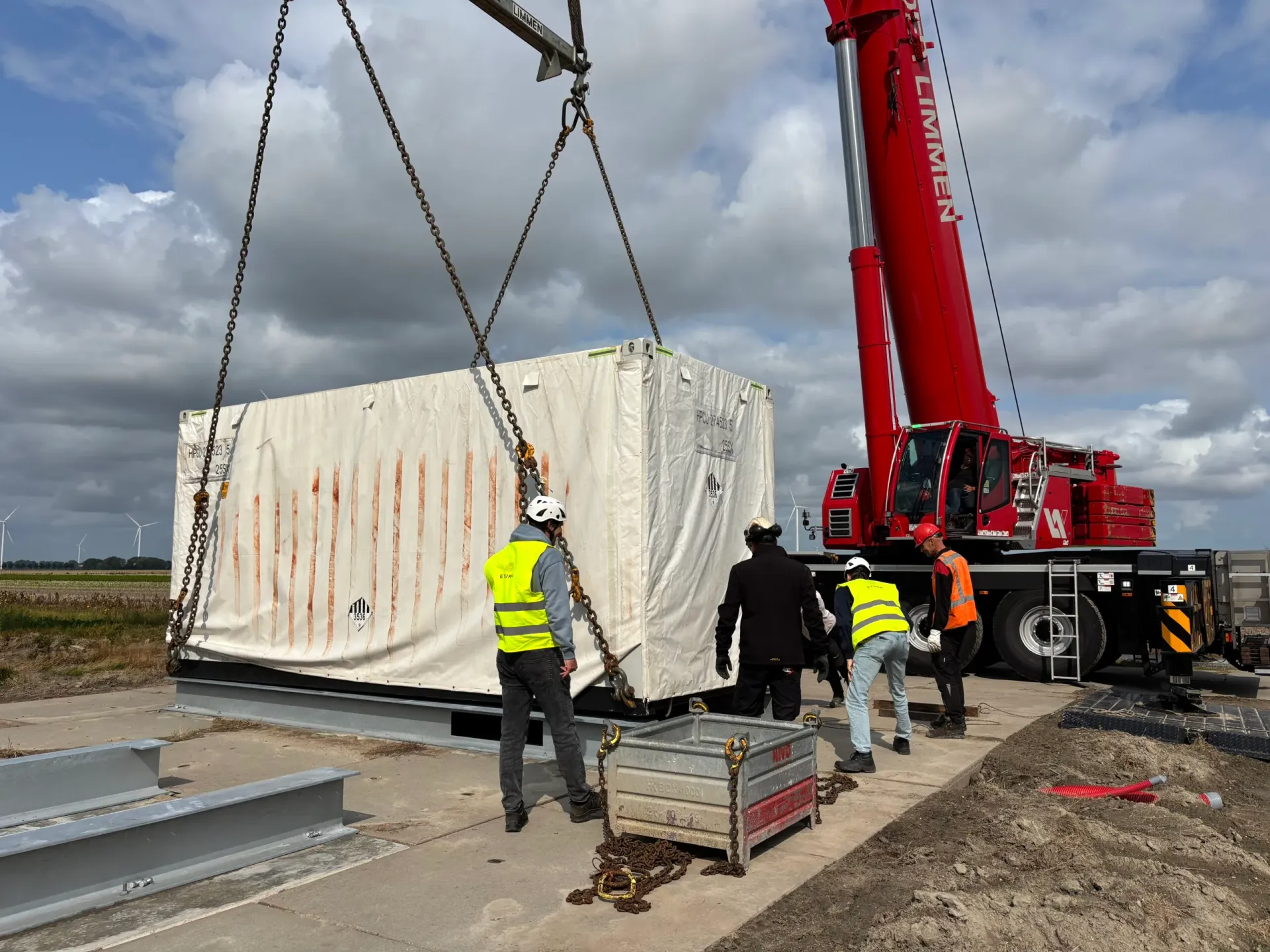
Installation is where the design meets the site. At ETURN, all installation work is carried out by our own certified teams — VCA, InstallQ and NEN certified — not by subcontractors. This means the engineer who designed the cable routing is accountable for whether it was installed correctly. The quality control loop is closed.
"A production guarantee is only meaningful if the contractor who issues it also controls all the variables that determine whether it is met. Fragmented EPC scopes create fragmented accountability."